
Hero image
Definition: The main image that leads a product page or ad creative, designed to communicate value instantly.

Why it matters
A strong hero image increases clicks and conversions.
A hero image is the primary, most prominent image on a page or in a marketing asset. In ecommerce, it's typically the first product image shoppers see—the one that has to stop the scroll and communicate value in an instant.
What makes a strong hero image
- Clear subject: The product should be immediately identifiable
- Visual impact: Something that captures attention quickly
- Brand alignment: Consistent with your overall visual identity
- Quality signals: Professional lighting, sharp focus, accurate colors
- Appropriate context: Studio or lifestyle depending on the platform
Hero image by context
The ideal hero image varies by where it appears:
- Amazon: Clean studio shot on white background
- Shopify: More flexibility—can be studio or lifestyle
- Instagram ads: Lifestyle imagery often performs better
- Homepage banners: Lifestyle or hero shots with brand styling
Testing hero images
Your hero image has outsized impact on performance. Test different options—studio vs lifestyle, different angles, different backgrounds—to find what converts best for your audience. Small improvements in hero image performance can significantly impact overall sales.
Creating hero images with AI
AI tools make it easy to generate multiple hero image options for testing. Create variations with different backgrounds, lighting styles, and compositions, then let performance data guide your decisions.
AI Product Photography
Learn how to use AI for product photos
Product Photography
Browse by product category
Background Remover
Free tool to remove backgrounds
Related Terms
Put this knowledge to work
Create professional product photos with AI—no experience needed.
More in Photography
View all terms →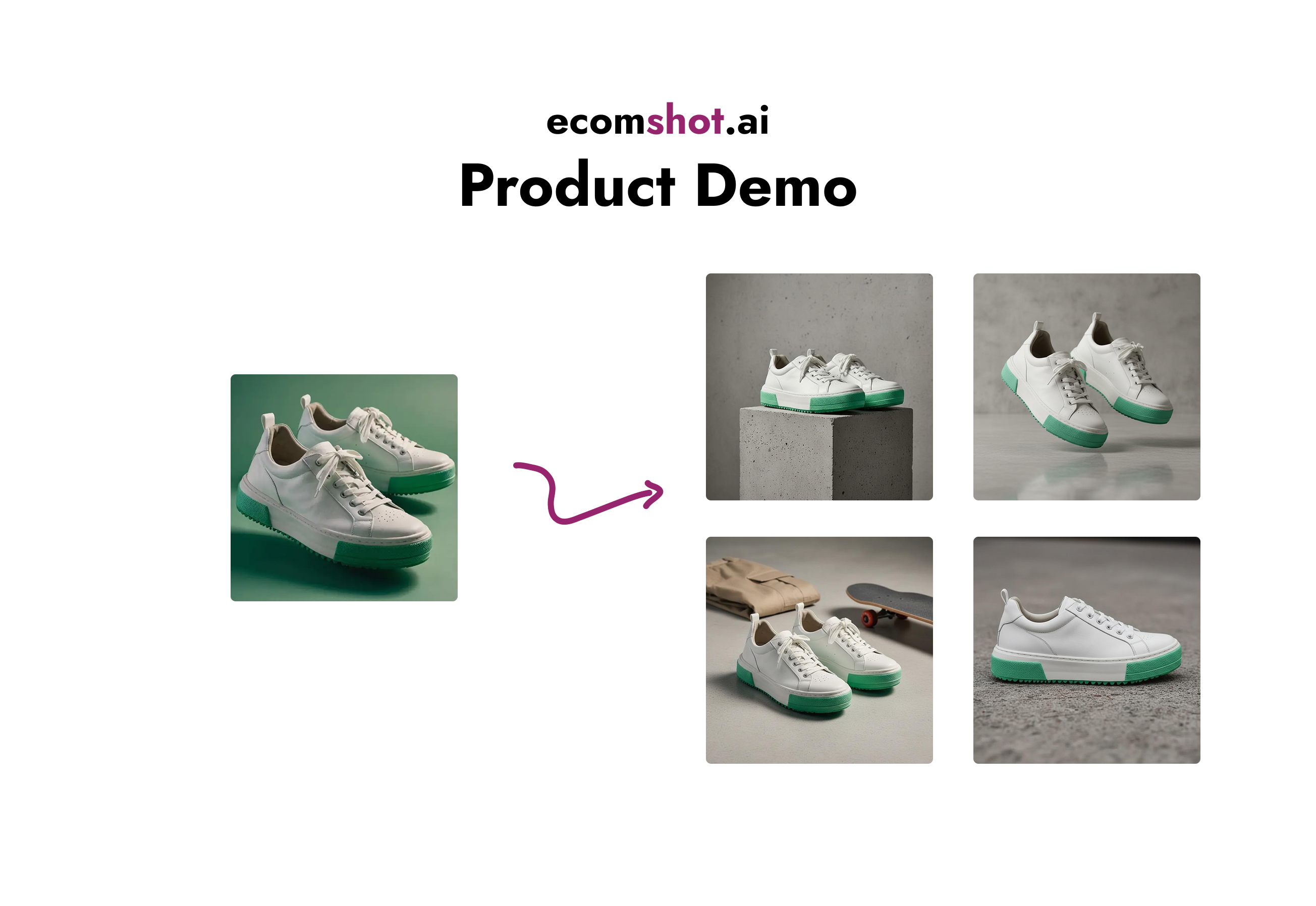
Product photography
Photographs designed to showcase a product clearly for listings, ads, and catalogs.
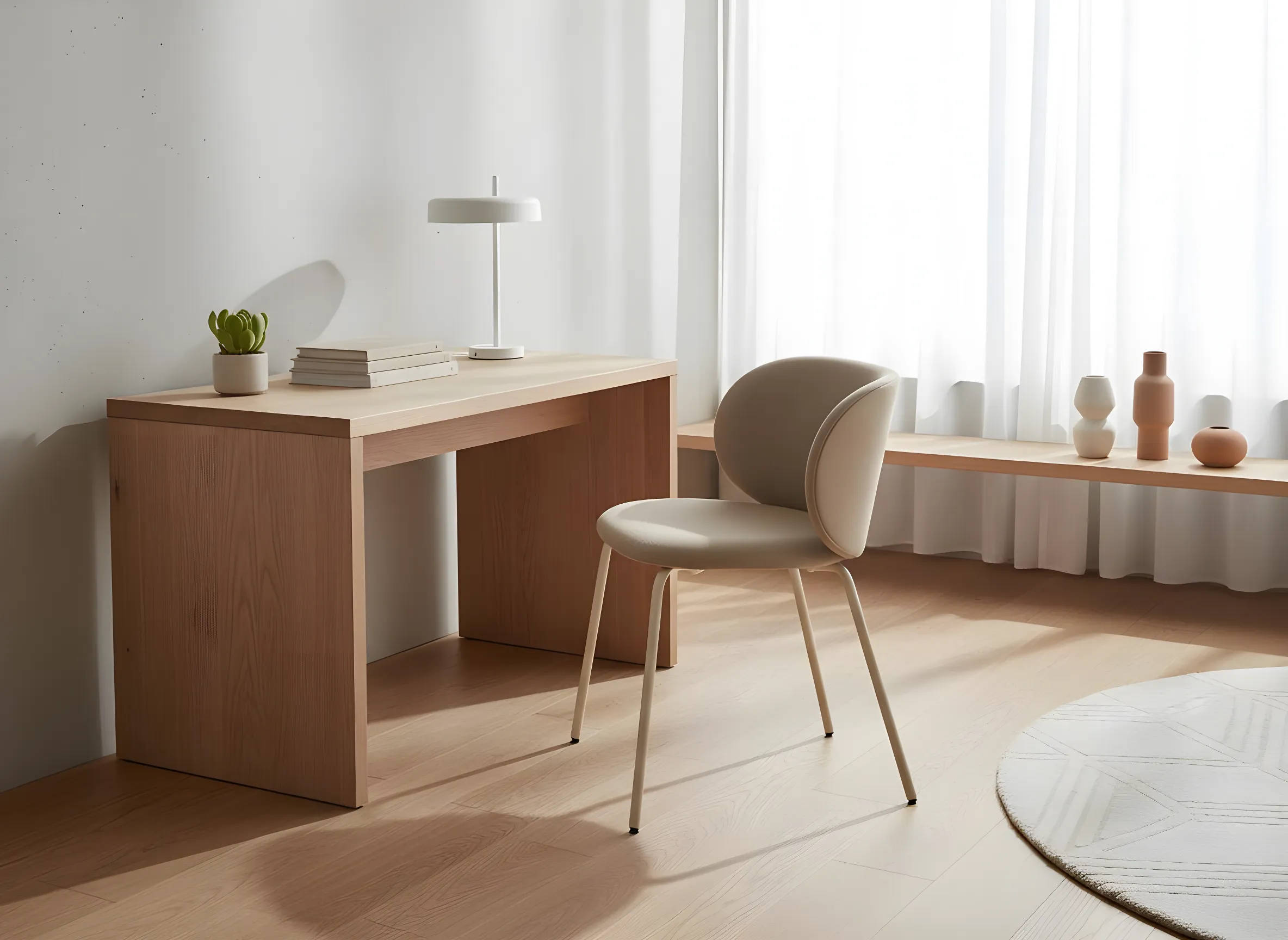
Lifestyle product photography
Product photos placed in real-world scenes (kitchen, bedroom, outdoors) to show context and usage.

Studio lighting
Controlled lighting setups (softboxes, diffusers, reflectors) used to create consistent product photos.
Flat lay
A top-down photo composition where the product is arranged on a flat surface.